Margin of Safety: Designing Growth That Survives Error

Margin of Safety: Designing Growth That Survives Error

Margin of Safety: Designing Growth That Survives Error

Jan 2, 2026

In investing, margin of safety is not about prediction.
It is about durability.

Growth systems operate under similar conditions. Assumptions will fail. Performance will vary. Conditions will change.

The relevant question is not whether a system works under ideal circumstances, but whether it continues to function when those circumstances shift.

Margin of Safety as Structural Design

In growth systems, margin of safety is created through structure:

  • Conservative unit economics

  • Clear attribution across the funnel

  • Multiple viable paths to acquisition

  • Tolerance for short-term inefficiency

These elements allow a system to remain operational even when individual components underperform.

Margin of safety is not a buffer against effort.
It is a buffer against error.

Why Conservative Assumptions Expand Optionality

Conservative economics narrow downside risk.

When downside is bounded, systems can absorb variation without requiring immediate correction. Decisions become more deliberate. Testing becomes less fragile.

This does not reduce ambition.
It stabilizes it.

Margin of safety allows action without requiring precision.

Risk Visibility Over Risk Elimination

Risk is inherent to growth.

The objective is not elimination, but containment.

Attribution keeps risk observable.
Velocity determines how quickly it is understood.
Economics define the boundaries within which it can be absorbed.

When these elements reinforce one another, growth systems remain intelligible even as complexity increases.
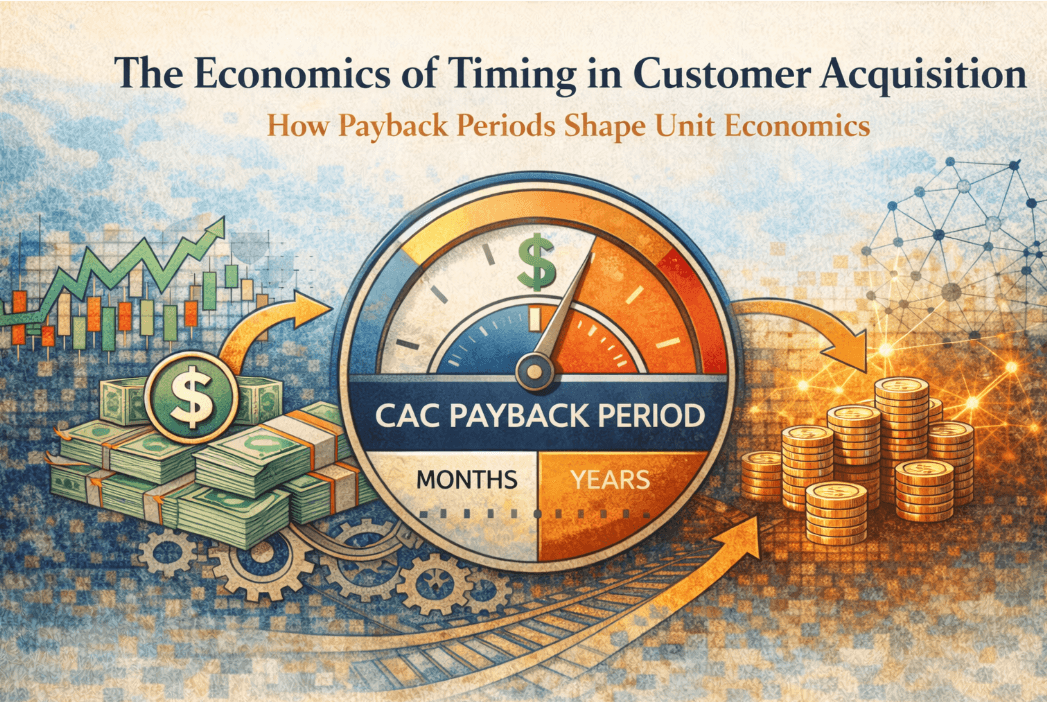
The Economics of Timing in Customer Acquisition

Feb 3, 2026

How Payback Periods Shape Unit Economics

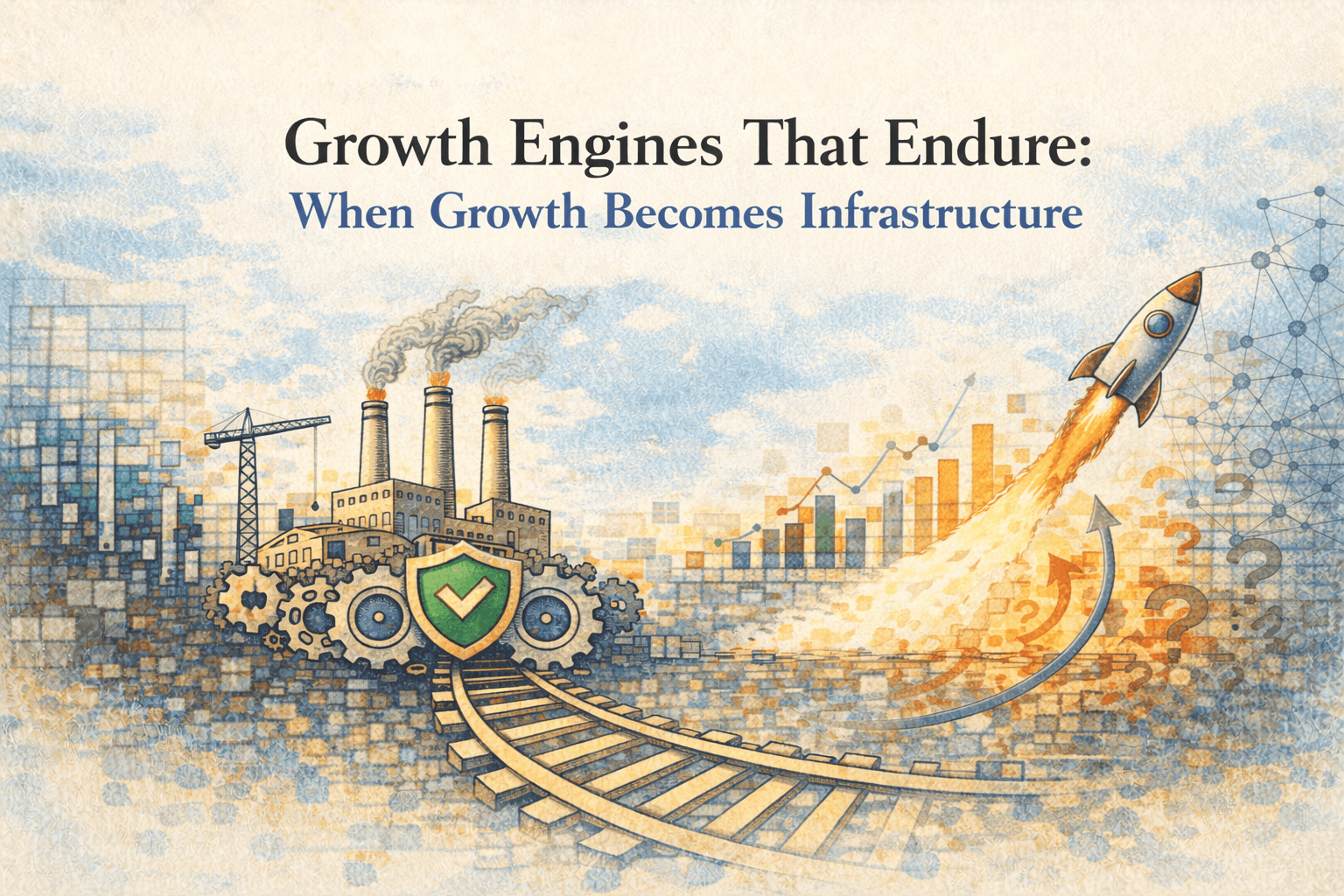
Growth Engines That Endure: When Growth Becomes Infrastructure

Jan 3, 2026

The endpoint of growth is not acceleration. It is continuity. Growth becomes infrastructure when it continues to function without constant intervention.

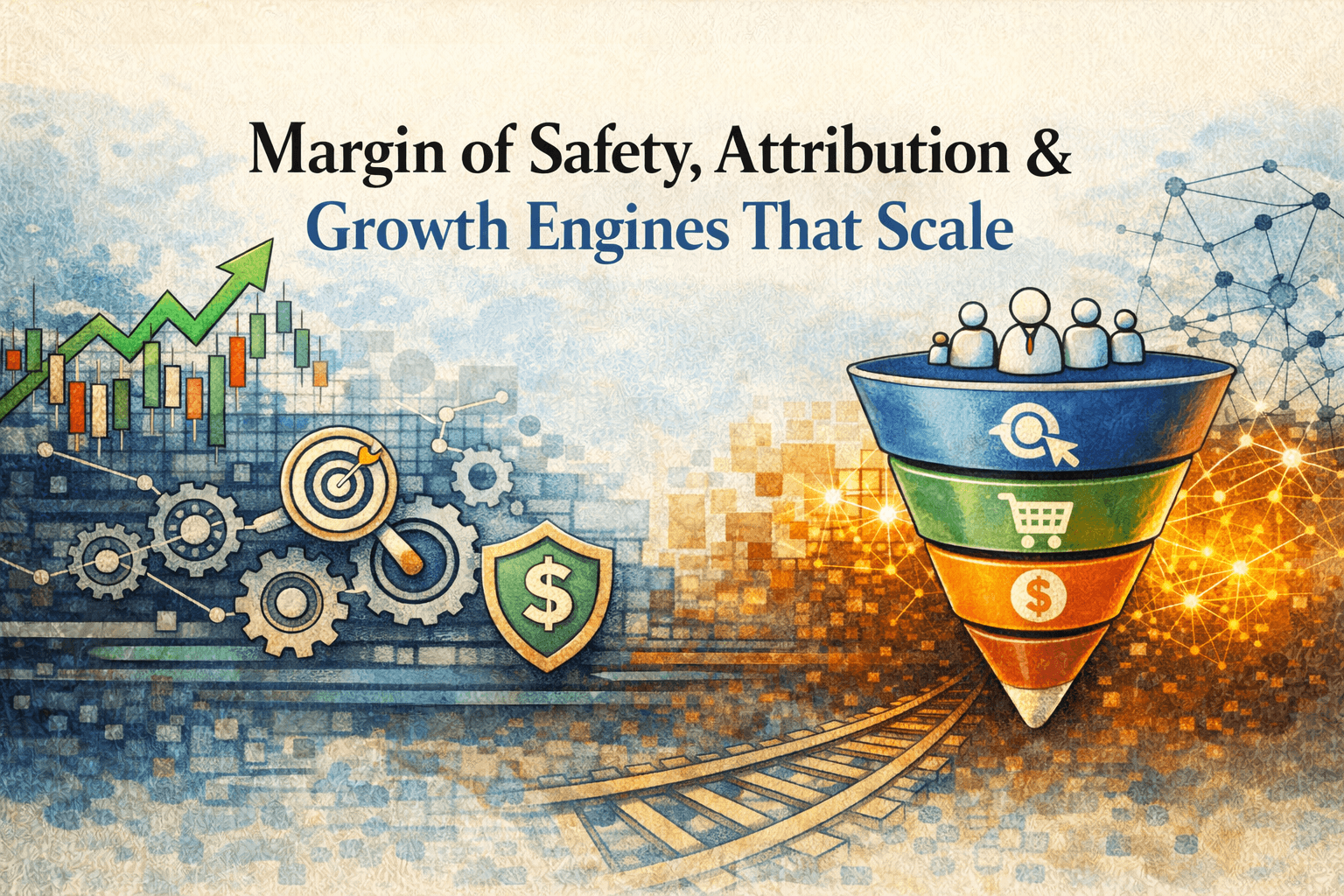
Margin of Safety, Attribution & Growth Engines That Scale

Jan 2, 2026

The concept of a “margin of safety” — the idea that decisions should be structured to absorb uncertainty and error — was first formally introduced by Ben Graham and David Dodd in the 1930s, in their landmark book Security Analysis. Seth Klarman’s modern book Margin of Safety popularized the principle for contemporary investors, emphasizing disciplined decision-making and risk management.

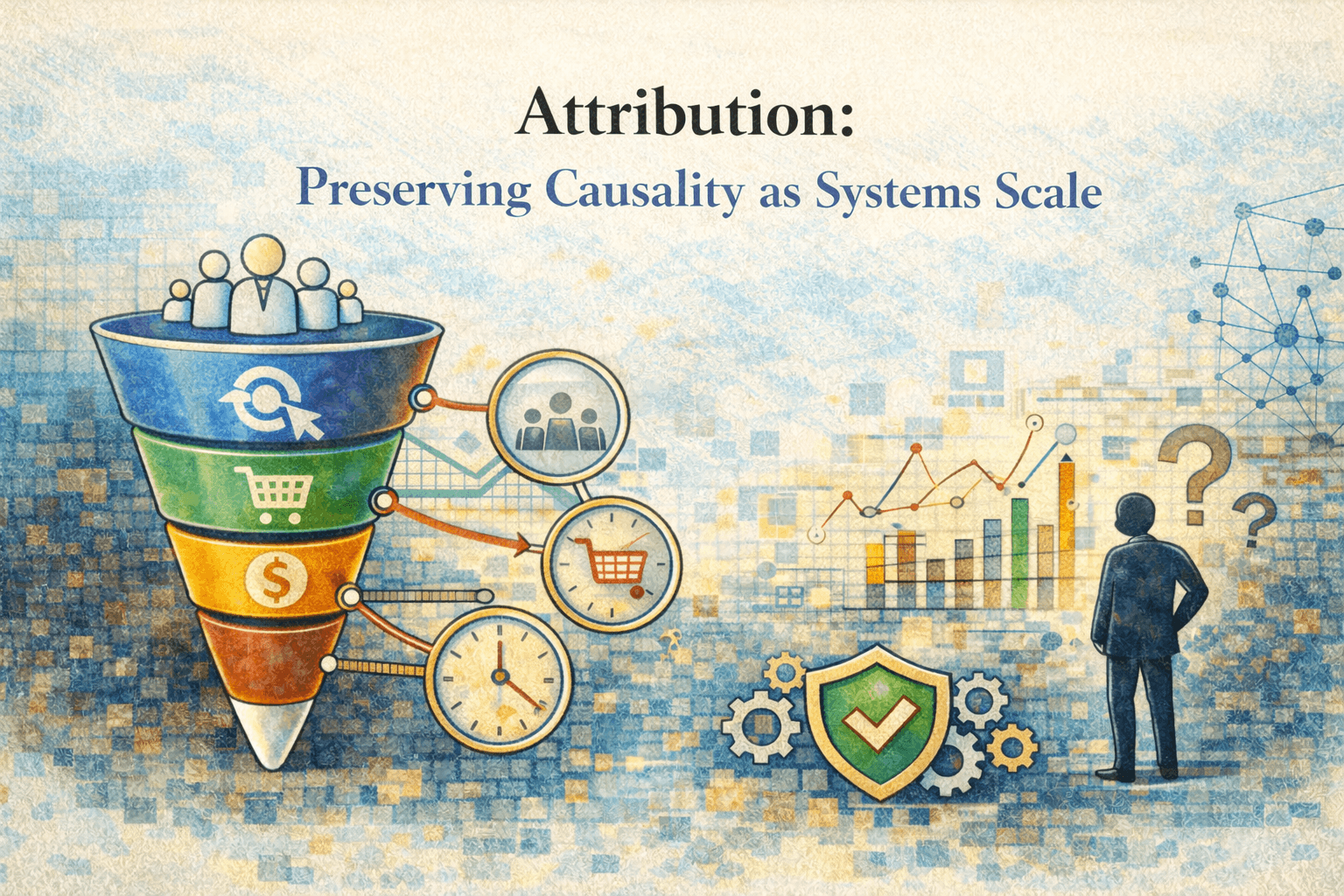
Attribution: Preserving Causality as Systems Scale

Jan 2, 2026

Most growth metrics describe outcomes after they occur. Velocity describes how a system behaves while it is operating. At Kruzeniski Digital, velocity is observed as time compression — the duration between input, feedback, and adjustment.

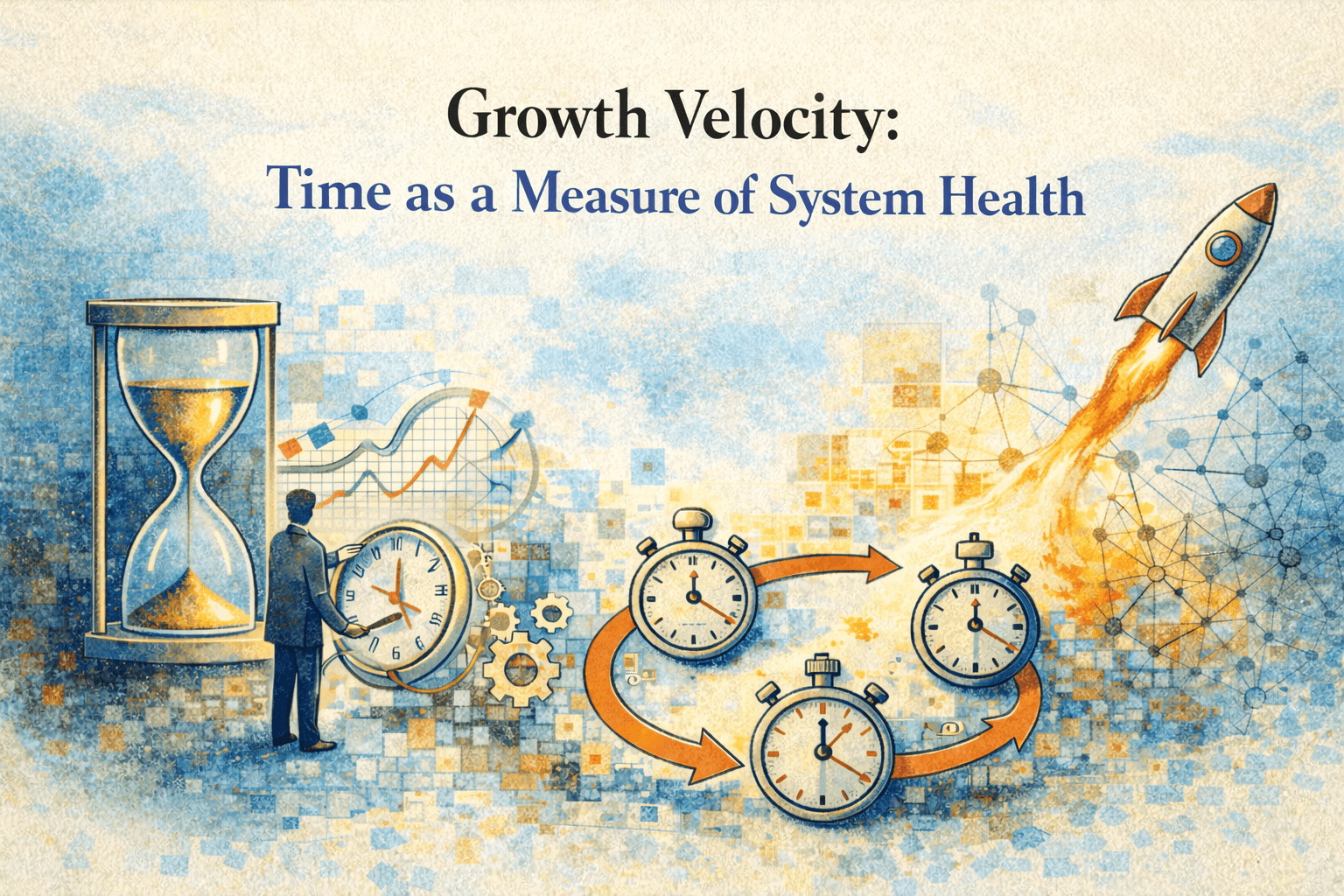
Growth Velocity: Time as a Measure of System Health

Jan 3, 2026

Most growth metrics describe outcomes after they occur. Velocity describes how a system behaves while it is operating. At Kruzeniski Digital, velocity is observed as time compression — the duration between input, feedback, and adjustment.

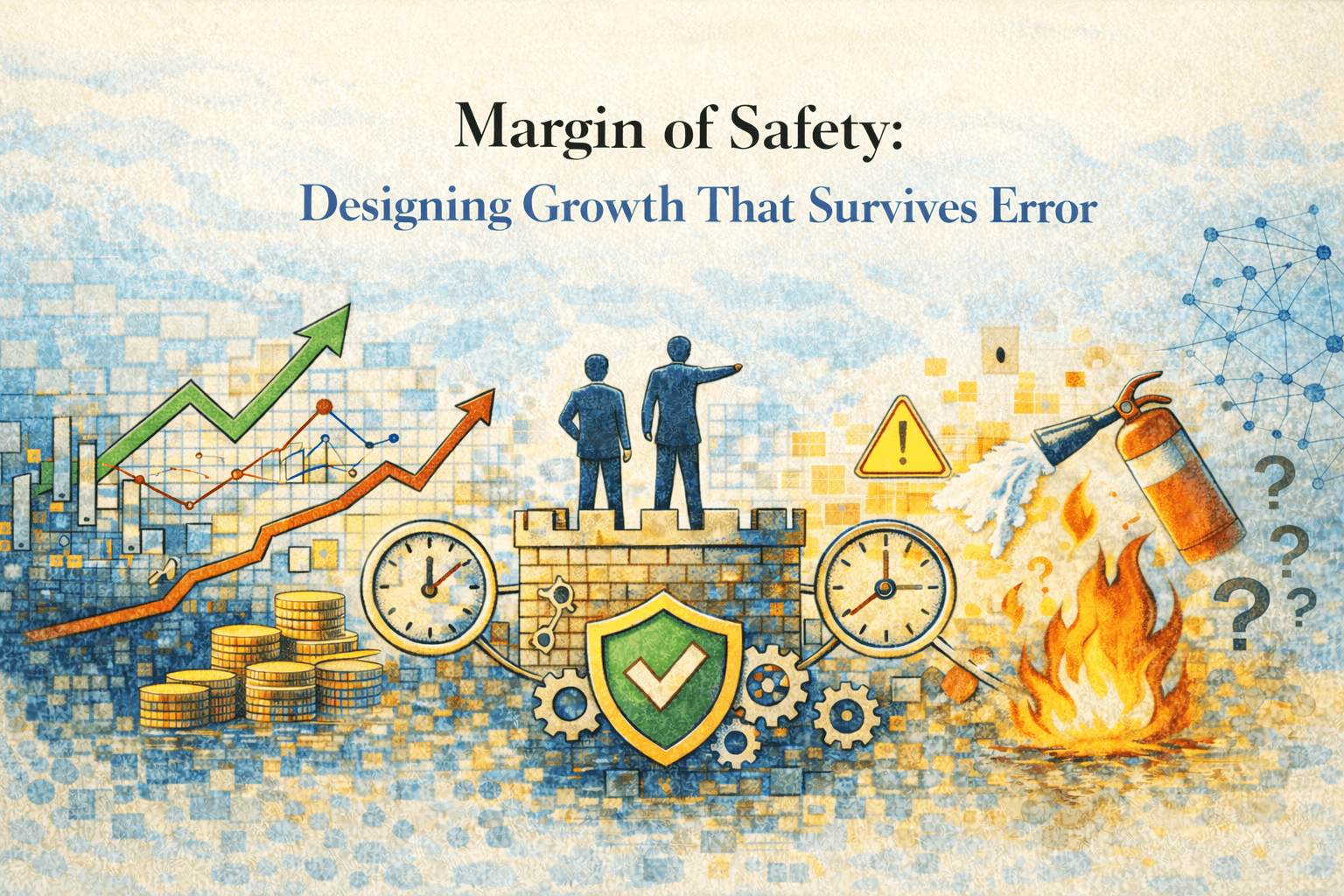
Margin of Safety: Designing Growth That Survives Error

Jan 2, 2026

In investing, margin of safety is not about prediction. It is about durability. Growth systems operate under similar conditions. Assumptions will fail. Performance will vary. Conditions will change. The relevant question is not whether a system works under ideal circumstances, but whether it continues to function when those circumstances shift.